


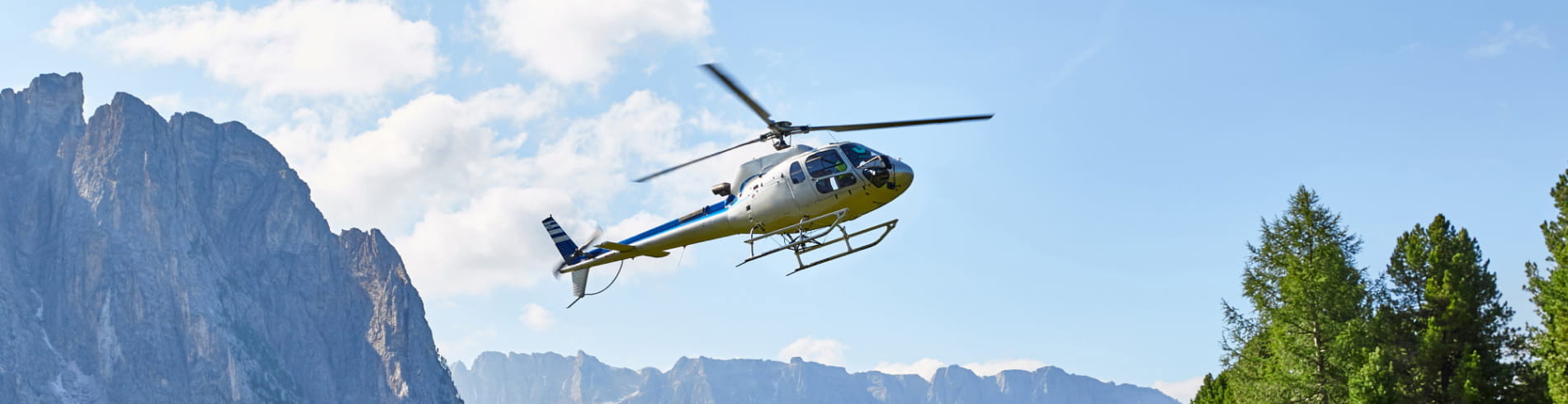
Helicopter rides are known for their experience. You’re sitting in your helicopter seat, headset on. The blades start spinning with a loud, not scary, just powerful sound. You feel a light vibration beneath you, as if the machine is waking up. Then suddenly, the ground isn’t holding you anymore. There are no long runways like airplanes. No speeding up,you just lift and feel going upwards. The ride makes you feel present in the moment.
Have you ever seen a helicopter soar into the air and wondered about its maximum altitude? Whether you are planning a tour or simply admiring these remarkable aircraft, understanding the limits of helicopter altitude is intriguing. Helicopter flights are always exciting, especially when shared with your loved ones. In this article, we will explore the maximum altitudes of helicopters and the unique aspects of these aircraft.
How High Does a Helicopter Fly in Normal Operations?
You might have seen helicopters flying above the ground many times, but in the usual state of affairs, most helicopters operate at altitudes between 10,000 and 12,000 feet above sea level. This range offers the best balance of safety, fuel consumption, and passenger comfort, offering the view above, so beautiful yet mesmerizing.
In standard operations such as sightseeing tours or air ambulance missions, helicopters usually fly between 1,000 and 5,000 feet above ground level. It ensures that this altitude allows pilots to operate safely and provide excellent views. For scenic tours booked with Spur Experiences, helicopters operate at altitudes within this range, offering panoramic views and making your ride memorable.
Maximum Altitude: How High Can Helicopters Fly?
Turbine helicopters can fly up to 25,000 feet under ideal conditions. Achieving such altitudes, however, involves multiple challenges.
French pilot Jean Boulet set the world record in 1972 at an altitude of 40,820 feet (12,442 meters) in an Aerospatiale SA 315B Lama. These record-setting flights involved helicopters specially prepared to be lightweight, with highly skilled pilots testing altitude limits; such conditions do not represent standard operations.
Why Can't Helicopters Fly Higher?
To understand how high helicopters can fly, it's important to know what limits their maximum altitude. Unlike airplanes, which often fly at 35,000 to 40,000 feet, helicopters face unique physical challenges at high altitudes.
Air Density: The Main Limitation
Air density refers to how tightly packed air molecules are in the atmosphere. This is the main factor that affects how high a helicopter can fly. At higher altitudes, there is less air, making it harder for the rotor blades to push against and create lift.
The higher the altitude, the harder it is for helicopters to fly. As helicopters fly higher, the air gets thinner, making it harder for the rotor blades to create enough lift. This problem gets worse in hot or humid weather. Pilots often talk about flying through hot, high places where the air is less dense, or through humid areas where moisture replaces some of the oxygen. A helicopter has a maximum weight limit, which directly affects its maximum altitude. The more weight the helicopter (cargo, fuel, and passengers) must carry, the greater the lift the rotors must produce. Higher up, wherein the air is thinner, carrying the same weight becomes more difficult or even impossible.
Hovering vs. Forward Flight: Important Differences
When considering how high helicopters can fly, it's important to note that hovering and forward flight occur at different altitudes.
Hovering means staying in one place without moving forward. Hovering takes much more power than flying forward because the helicopter relies only on its rotors for lift. Most helicopters can hover up to about 10,000 feet, while some high-performance models can reach up to 13,000 feet while hovering.
Helicopters can often fly higher when moving forward because their forward momentum helps generate additional lift. The airflow over the rotor blades during forward flight makes them more efficient, allowing the helicopter to climb higher than it could while hovering.
Ground Effect Advantage
When helicopters fly close to the ground, they benefit from a phenomenon called 'ground effect.' Ground effect is an air cushion that forms under the rotor when the helicopter is within about 1.5 rotor lengths of the ground. This extra lift allows helicopters to hover using less power. Once they leave this zone, they need much more power to stay in the air.
Helicopter Types and Altitude Capabilities
Different helicopter models can reach different maximum altitudes:
- Light helicopters, like the Robinson R44, can fly up to about 14,000 feet. They are mostly used for training and short tours.
- Medium helicopters, such as the Bell 206 JetRanger, can fly between 15,000 and 20,000 feet. This range allows them to be used for many different commercial purposes.
- High-altitude helicopters, like the Eurocopter AS350 B3, can fly up to 23,000 or 24,000 feet. They are specially designed for mountain rescues and other high-altitude missions.
- Military helicopters like the CH-47 Chinook and UH-60 Black Hawk can fly above 20,000 feet, but operating at these altitudes puts significant strain on their systems.
Real-World High-Altitude Achievements.
Some notable real-world high-altitude achievements highlight what helicopters can do in extreme conditions.
- In 2005, pilot Didier Delsalle landed a Eurocopter AS350 B3 helicopter on the summit of Mount Everest at 29,030 feet, staying for about four minutes before taking off again. This incredible feat required expert flying skills, perfect weather, and a specially designed high-altitude helicopter. At that height, the oxygen level is only 30 percent of what it is at sea level.
- Helicopters are often used for search-and-rescue missions on Mount Everest, flying up to 21,000 to 23,000 feet. These flights are some of the most dangerous helicopter missions in the world.
Practical Altitude Ranges for Helicopter Experiences
If you're booking a helicopter tour or a special flight, it's helpful to know the typical altitudes for these experiences:
- City helicopter tours usually fly between 1,000 and 2,000 feet above the ground. This height offers great views of the city while keeping you at a safe distance from buildings.
- Scenic tours over mountains or coastlines usually fly between 2,000 and 5,000 feet. This range offers beautiful panoramic views without the challenges of very high altitudes.
- Grand Canyon helicopter tours often fly below the rim and then climb several thousand feet to give passengers stunning overlook views.
Spur Experiences help people find amazing helicopter adventures around the world. You can use our platform to book a romantic sunset flight, an exciting mountain tour, or a special trip for any occasion. Our flexible vouchers never expire, so you can plan your helicopter adventure whenever you're ready.
Safety Considerations at High Altitudes
Flying helicopters at high altitudes comes with several safety challenges. Here we have highlighted some of the important safety considerations.
- Oxygen requirements: Most helicopters are not pressurized like airliners, which have cabins with controlled air pressure. Pilots and passengers need extra oxygen if flying above 12,500 feet for more than 30 minutes, and oxygen is required above 14,000 feet.
- Turbulence and instability: At higher altitudes, helicopters face more turbulence, and the controls become less responsive. This increases the risk of problems like rotor-blade stall.
- Reduced safety margins: When helicopters fly near their maximum altitude, there is little room for mistakes. Changes in weather, mechanical problems, or pilot errors become much more dangerous at these heights.
Only professional pilots with specialized training fly helicopters at high altitudes, especially in mountainous areas where the terrain and thin air make flying even more difficult.
In the end
Understanding Helicopter Altitude Limits
So, how high can helicopters fly? The highest recorded flight is over 40,000 feet, but most helicopters usually operate between 10,000 and 25,000 feet, depending on their type and mission. Most commercial flights stay between 1,000 and 5,000 feet to keep things safe and provide great views.
Regardless of whether you are going to have your first helicopter adventure or are an aviation fanatic, you will understand these altitude limits and appreciate the engineering and skill that go into moving the helicopter. The next time you glance up in the sky and see a helicopter flying by, you will be aware of the fact that it is flying within a well-calculated range of altitude that will not be too high and not too low, so that the physics, safety,y and other mission goals are not compromised. Are you willing to have the adventure of flying a helicopter? Discover the wonderful helicopter experiences with Spur Experiences. Whether it is a coastal tour or a mountain trip, we find your way to memorable aerial activities. Reservations are simple on our platform, vouchers do not expire, and all experiences are highly regulated for safety. Find out why thousands of people come to Spur Experiences for their most memorable adventures, including breathtaking helicopter tours that let you see the world from amazing heights.