
About Hiroshima

Hiroshima, Japan

Hiroshima is a modern, peaceful city that honors its powerful past while offering travelers meaningful cultural experiences, beautiful landscapes, and a welcoming spirit. It's a destination that combines remembrance with resilience and beauty.

Hiroshima is more than just a site of historical significance—it's a city that inspires reflection, connection, and appreciation for peace and perseverance.

"City of Water"Nickname
MazdaHeadquartered Here
The CarpPro Baseball Team

  • Peace Memorial Park & Museum

    Visit the Hiroshima Peace Memorial Park, home to the moving Peace Memorial Museum and the A-Bomb Dome, a UNESCO World Heritage Site. It’s a sobering and powerful tribute to peace and the victims of the 1945 atomic bombing.

  • Miyajima Island & Itsukushima Shrine

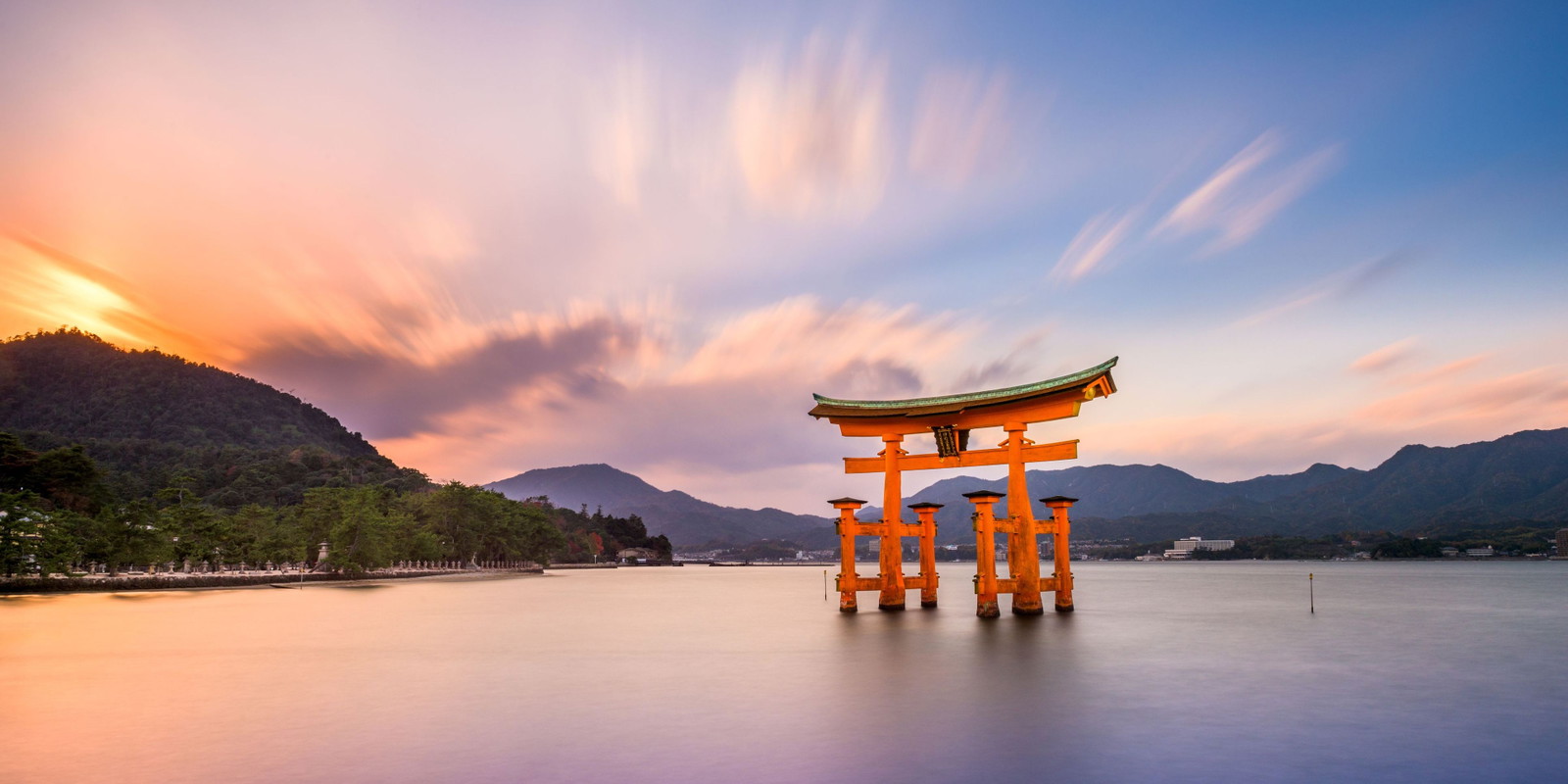
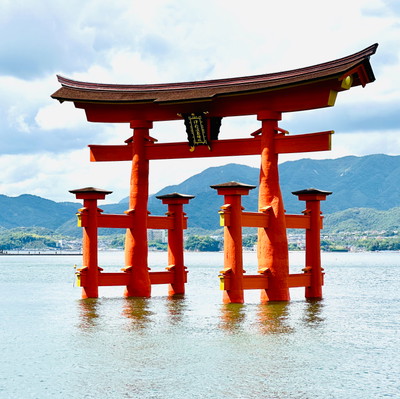
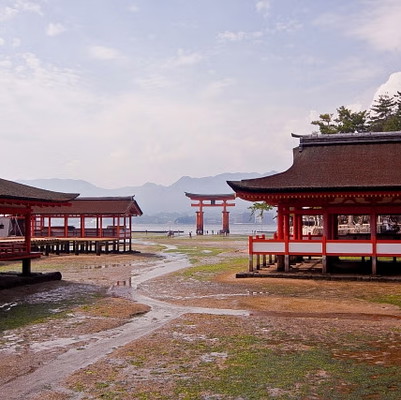
    Take a short ferry ride to Miyajima, famous for the floating torii gate of Itsukushima Shrine, one of Japan’s most iconic sights. The island also offers scenic hiking and friendly deer.

  • Hiroshima Castle

    Explore the reconstructed Hiroshima Castle, also known as Carp Castle, surrounded by a moat and cherry blossoms in spring. The museum inside covers Hiroshima’s samurai history.

  • Shukkeien Garden

    This beautifully landscaped garden features ponds, bridges, and traditional tea houses—perfect for a peaceful stroll amid classical Japanese garden design.

  • Okonomiyaki Cuisine

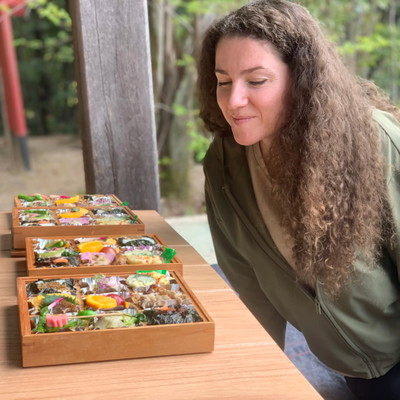
    Try Hiroshima-style okonomiyaki, a savory layered pancake made with cabbage, noodles, and various toppings, often cooked in front of you at local specialty restaurants.

  • Winter (December – February)

    Winter in Hiroshima is relatively mild compared to northern Japan, with daytime temperatures usually ranging from 40°F to 50°F (4°C to 10°C). Snowfall is rare but possible, particularly in surrounding mountainous areas. The crowds thin out, making it a peaceful time to visit sites like the Peace Memorial Park and Hiroshima Castle. While some outdoor attractions may feel chilly, the crisp air and quiet streets create a reflective atmosphere fitting for the city’s historical significance.

  • Spring (March – May)

    Spring is a beautiful time in Hiroshima, with cherry blossoms typically blooming in late March to early April. Temperatures gradually warm from the 50s to 70s °F (10°C to 24°C), and the city comes alive with hanami (flower viewing) parties along the riverbanks and in Shukkeien Garden. It’s a popular season for tourism, so attractions can get busier, but the pleasant weather and vibrant natural beauty make it one of the most rewarding times to visit.

  • Summer (June – August)

    Summer in Hiroshima is hot and humid, with highs in the upper 80s to low 90s °F (31°C to 34°C). June marks the rainy season, with frequent showers and increased humidity. July and August are drier but hotter, and August 6th is a significant date, commemorated annually with the Peace Memorial Ceremony. While the heat can be intense, summer festivals, fireworks, and street food markets keep the atmosphere lively and culturally engaging.

  • Autumn (September – November)

    Autumn brings cooler air and vivid fall colors to Hiroshima, with temperatures ranging from the 70s down to the 50s °F (21°C to 10°C). Parks and temple grounds, especially around Miyajima, become scenic with red and gold foliage. October and early November are especially ideal for travel, with clear skies and comfortable weather. The city’s pace slows from the summer buzz, offering a more relaxed experience amid beautiful natural backdrops.