About Havana

Havana, Cuba

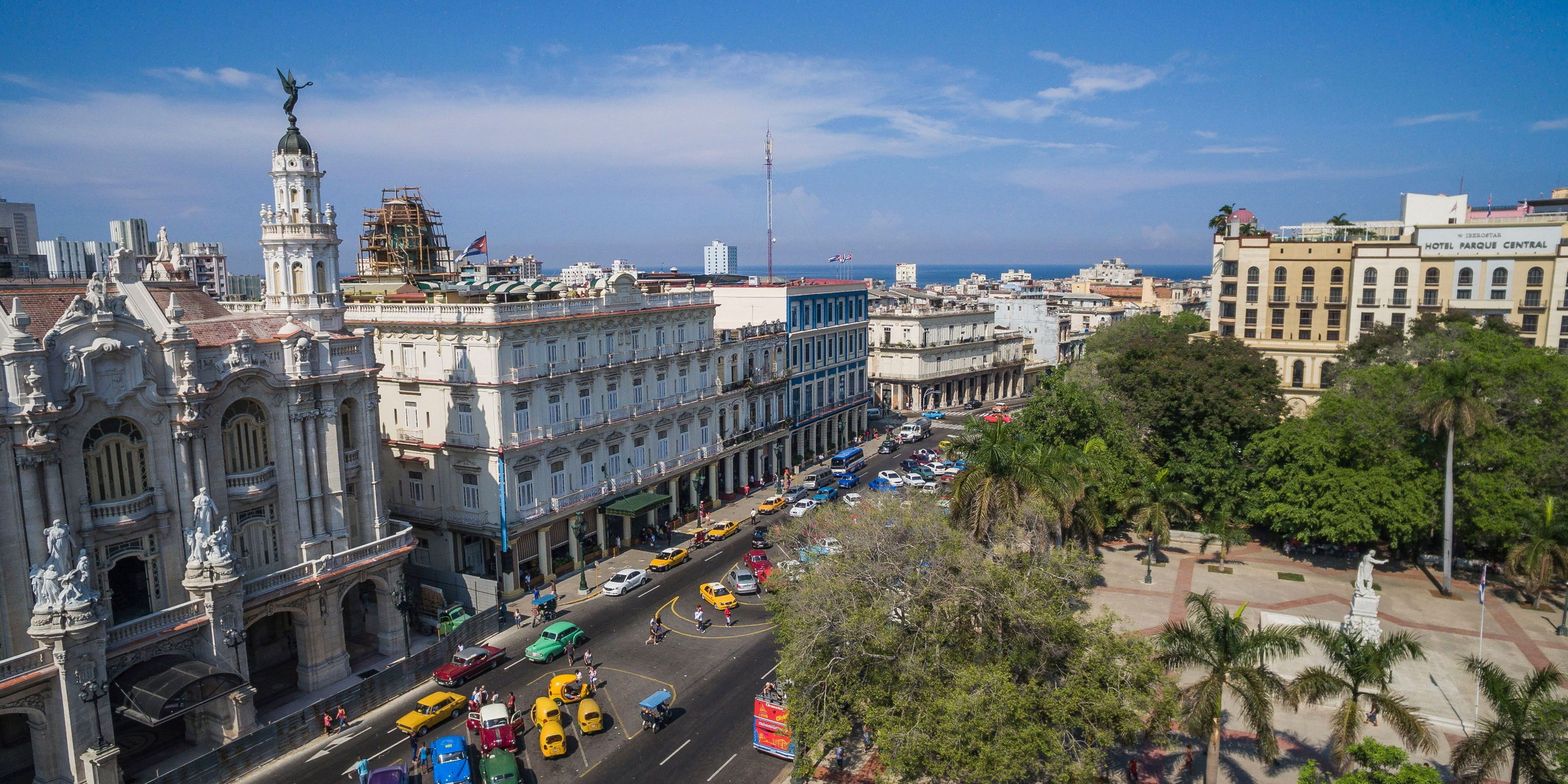
Havana, the heart and soul of Cuba, is a city of contrasts—rich in history, vibrant with music, and bursting with energy. From vintage cars cruising colorful streets to grand colonial plazas and buzzing waterfronts, Havana offers a truly immersive cultural experience.

Havana is a city that invites you to slow down, engage with its people, and absorb its rhythms. It’s more than a destination—it’s an experience.

Spanish (in 1519)Founded By
Daiquiri and MojitoPopulized Here
Cigars and RumMajor Exports

  • Old Havana (Habana Vieja)

    A UNESCO World Heritage Site, Old Havana is a captivating mix of cobblestone streets, Spanish colonial architecture, art galleries, and lively plazas like Plaza Vieja and Plaza de la Catedral.

  • Classic Car Rides

    Tour the city in a 1950s American convertible, soaking in Havana’s unique vintage vibe and learning about its layered past with a local guide.

  • Malecón Seafront Promenade

    Stretching for 5 miles along the coast, the Malecón is the perfect place for an evening stroll, people-watching, or enjoying the sunset with locals and musicians.

  • Cuban Cuisine & Cocktails

    Dine on dishes like ropa vieja and tostones, then sip a mojito at La Bodeguita del Medio or a daiquiri at El Floridita, both famous Hemingway haunts.

  • Live Music & Nightlife

    Havana’s streets echo with music—from salsa and jazz clubs like La Zorra y el Cuervo to rooftop bars and local gatherings in the plazas. Don’t miss a night at the iconic Tropicana Club.

  • Winter (December – February)

    Winter is one of the best times to visit Havana. Temperatures are mild and pleasant, typically ranging from 70°F to 80°F (21°C to 27°C), with lower humidity and less rainfall. The city hums with life during the holiday season, and the Havana International Jazz Festival in January draws music lovers from around the world. It's a peak tourist season, so expect crowds and higher prices, but the weather is ideal for exploring Old Havana, strolling the Malecón, and enjoying outdoor cafes.

  • Spring (March – May)

    Spring sees temperatures begin to rise, reaching into the mid-80s °F (29°C) by May, along with increasing humidity. March and April are especially comfortable and still relatively dry, making them excellent months to visit. The crowds are lighter than in winter, and it's a great time to enjoy local festivals and walk through the city’s historic streets. May typically marks the start of the rainy season, with short, heavy afternoon showers becoming more common.

  • Summer (June – August)

    Summer in Havana is hot, humid, and marks the beginning of hurricane season. Daytime highs frequently exceed 90°F (32°C), and rain becomes more consistent, often arriving in sudden tropical downpours. Despite the heat, this is a vibrant season full of cultural celebrations, including Carnival in July. Tourist numbers dip slightly, and while some travelers may be deterred by the weather, those who come will find a livelier, more local feel and slightly lower accommodation rates.

  • Autumn (September – November)

    Autumn is the least predictable season in Havana due to continued heat, humidity, and the peak of hurricane season in September. Rain remains frequent, but by late October and November, the weather begins to improve with cooler breezes and less precipitation. The tourist season starts to pick up again in November. If visiting in the latter part of fall, you’ll catch Havana on the cusp of its most comfortable months, with fewer crowds and a slower pace.