
About Agra

Agra, Uttar Pradesh, India

Agra, located in the northern state of Uttar Pradesh, is best known as the home of the Taj Mahal, but the city’s rich Mughal heritage, architectural grandeur, and vibrant local culture make it a must-visit destination in India.

Agra is a city where history, art, and culture converge, offering an unforgettable journey through India’s royal past.

Mughal EmpireFormer Capital of
PethaFamous Sweets
YamunaRiver Runs Through It

  • Taj Mahal

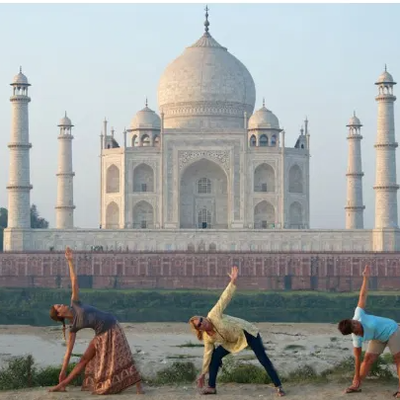
    A UNESCO World Heritage Site and one of the New Seven Wonders of the World, the Taj Mahal is a breathtaking marble mausoleum built by Emperor Shah Jahan in memory of his wife Mumtaz Mahal. It’s especially stunning at sunrise and sunset.

  • Agra Fort

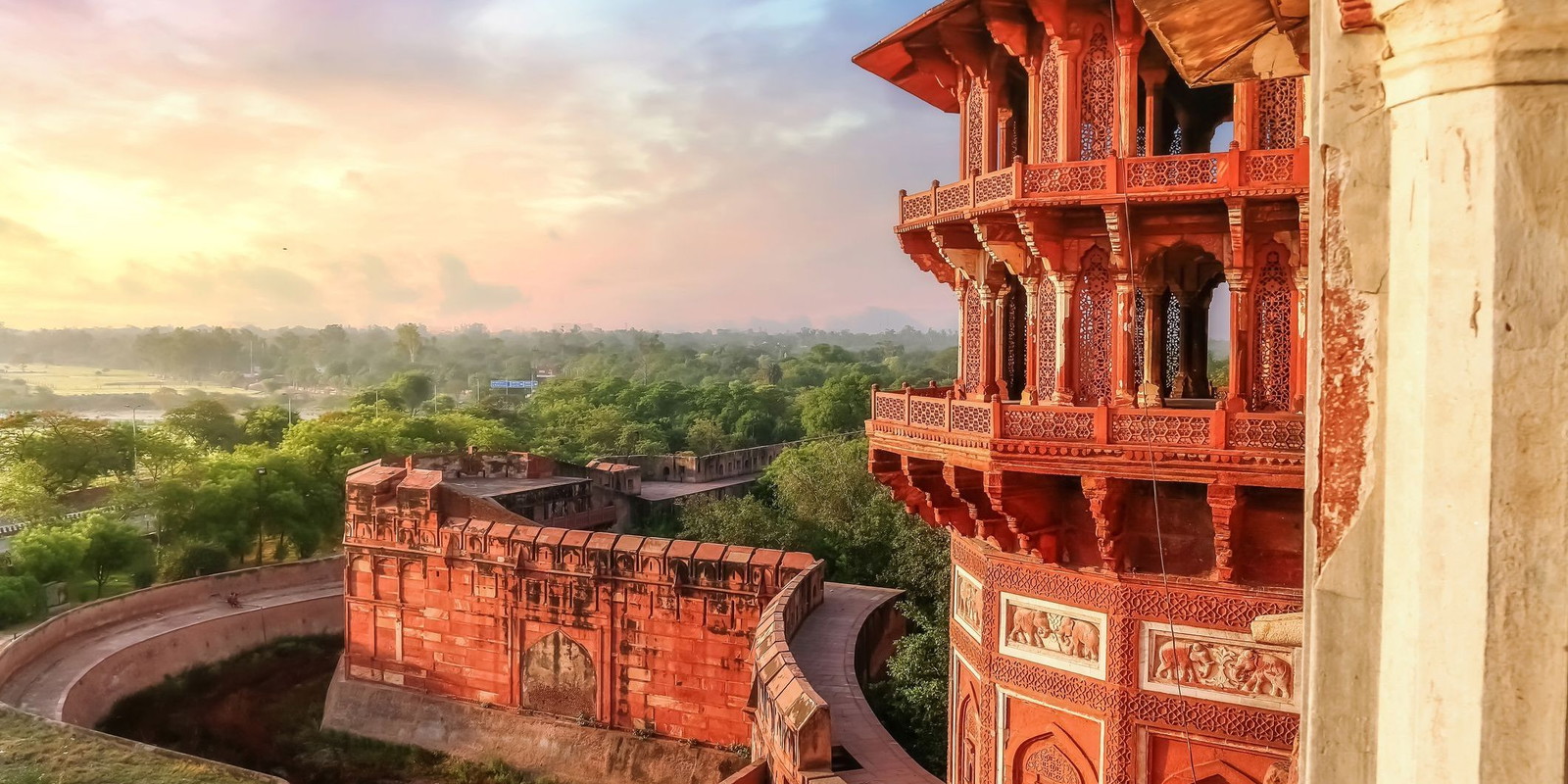
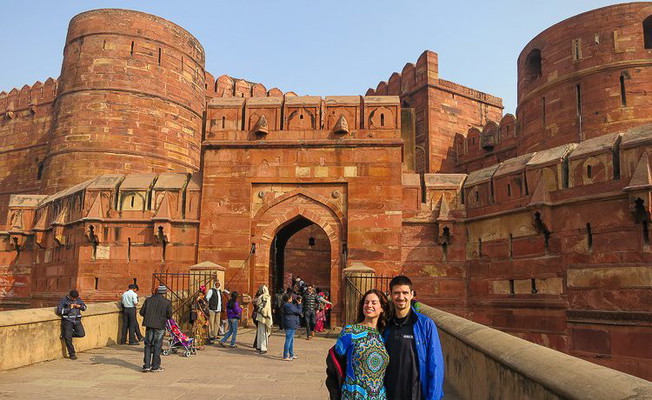
    Another UNESCO site, Agra Fort is a massive red sandstone fortress that served as the royal residence of the Mughal emperors. Explore its palaces, mosques, and courtyards with views of the Yamuna River and Taj Mahal.

  • Mehtab Bagh

    Located directly across from the Taj Mahal, Mehtab Bagh is a peaceful Mughal garden offering unobstructed views of the monument—perfect for photography and quiet reflection.

  • Fatehpur Sikri

    Just an hour outside Agra, this abandoned Mughal capital is filled with well-preserved palaces, courtyards, and mosques. It’s an architectural gem with a hauntingly beautiful ambiance.

  • Street Food and Mughlai Cuisine

    Indulge in Mughlai specialties like kebabs, biryani, and rich curries, or try local favorites such as petha (a sweet made from ash gourd) and chaat from roadside vendors.

  • Winter (December – February)

    Winter is the most popular and pleasant season to visit Agra. Temperatures range from 45°F to 75°F (7°C to 24°C), offering ideal conditions for sightseeing at the Taj Mahal, Agra Fort, and Fatehpur Sikri. Mornings can be misty and cool, especially in December and January, but the afternoons are sunny and comfortable. This is also peak tourist season, so expect larger crowds and higher accommodation prices near major landmarks.

  • Spring (March – May)

    Spring begins pleasantly in March but heats up quickly by April and May, with temperatures often rising above 100°F (38°C). The early part of the season can still be a decent time to visit if you plan for early morning outings and shaded rest in the afternoons. Tourist numbers start to decline as the heat intensifies, making this a quieter and more budget-friendly time, especially by late April.

  • Summer (June – August)

    Summer in Agra is extremely hot and dry at first, followed by the monsoon rains. Temperatures frequently exceed 104°F (40°C) in June, with high humidity levels arriving in July and August as the monsoon progresses. While the rain brings some relief from the heat, sightseeing becomes more difficult and less comfortable. However, this is the least crowded season, and travel costs tend to be lower.

  • Autumn (September – November)

    Autumn marks a gradual cooling after the rains, with temperatures ranging from 80°F to 95°F (27°C to 35°C) in September, becoming more moderate by November. The skies clear, and the air becomes crisper, making this one of the best seasons for photography and outdoor exploration. Tourist activity begins to pick up again, and festivals like Diwali (usually in October or November) add a festive cultural element to the city.